3. From idea to action – designing the intervention for the Politehnica campus life
Gabriel-Mugurel Dragomir
3.1. Background, plan, design
The project described as an intervention on the Politehnica campus, entitled University Students Engaging in Responsible and Sustainable Energy Consumption (USE-REC) was proposed by Politehnica Foundation Timisoara, Romania in partnership with Quality Management Software AS (QMS), Norway and conducted between May 2023 and April 2024. Researchers concerned with higher education issues and students’ problems, as well as university managers have found and draw attention to the asymmetric relationship between the beliefs and attitudes of the young generation (Crumpei et al. 2014) and the actions and behaviors of this generation (Cernicova-Bucă et al., 2021). On these premises, the idea of the project proposal was to reduce, through targeted actions, the gap between pro-environmental regulations, statements and/or beliefs on the university campus, on the one hand, and actions and lifestyles on that campus, on the other. The focus was on increasing knowledge on renewable energy, energy efficiency and energy security of different categories of public in the Politehnica University of Timisoara. As a side effect, the project aimed to contribute to reducing the carbon footprint of the student campus.
The key factors in training and educating the younger generation are, according to the project team’s conception, but following international examples of good practice (Clark, 2004; Mohammed, 2022):
• students, as actors and beneficiaries of the project;
• administrative staff, responsible for student dormitories and student services;
• the management of the university, as a regulatory and reporting body.
The recent health crisis caused by the COVID-19 pandemic has reorganized society’s priorities and brought to the fore the need to “rebuild a better, greener, more sustainable life”. The sustainability component and priorities set by the United Nations for 2030 have been evaluated and the results are far from being encouraging (Yuan et al., 2023). Despite the signs that the growth curve of pollution was by tempered due to stopping entire economic branches during the pandemic, the countries of the world have concluded that “pulling the plug” is not the solution for attaining the desired sustainable development. Ensuring economic and social resilience depends crucially on investing in green technologies, but also on encouraging people to adopt sustainable lifestyles and sparing natural resources (Aulie 2023). The link between the local component and the overall impact of human activities has been highly visible and has led to increased commitments to caring for the environment (Leal Filho et al., 2022).
At its scale, Timisoara, and the institutions on its territory, including universities, have placed as priorities, in the post-pandemic life, the reduction of the effects of socio-economic activities on the environment and the adoption of solutions that resonate with the sustainability objectives of the 2030 Agenda. Despite all concerns regarding the pursuit of the Sustainable Development Goals, only one university from Timisoara, West University of Timisoara, has taken steps to enter the evaluation of UI Green Metric World University Rankings, joining 10 other higher education institutions in Romania (out of the 92 accredited) in the classification that measures the commitment of each participating university in developing a green infrastructure.
Even before the pandemic, the student campus was declared a pedestrian zone, and the bicycle and electric scooter stations that were installed, partly with the help of the City Hall, in an effort to encourage bicycle transport (within metropolitan mobility), partly by the Politehnica University, were support points for adopting a sustainable lifestyle. Sporadic initiatives to encourage environmental footprint reduction are present (such as Earth Day or Green Week 2021 activities), but – appreciated the project team – an integrative vision was lacking. The inventoried initiatives either dealt with the purely technical aspect of sustainable living (availability of devices, facilities, etc.) or with short-term campaigns involving citizens in sporadic green initiatives. Thus, the project approach incorporated:
• The human component, targeting the student population, urged to adopt and promote a responsible and sustainable consumption of energy, through information and awareness campaigns and training opinion leaders as ambassadors of the project.
• the managerial component, aimed at the decision-making level of the university, encouraged to incorporate into the future strategic vision a strong, clear, sustainability-oriented component including the project results;
• the procedural-administrative component, by harmonizing the knowledge and behaviors of residential space managers, through training courses and by developing modern infrastructure for informing campus residents about efficient energy consumption objectives; ensuring appropriate documents to support sustainable behavior on campus premises (such as lease contract annex, campus housing regulations, etc.);
• technical component, thermal scanning of buildings, to discover energy waste points; monitoring utility consumption in dormitories, respectively completing an inventory of devices used by students on campus, to create correlations between recorded consumption and the use of appliances and devices; collecting used light bulbs and small devices to prevent them from polluting the environment.
As a result, the project aimed to create a synergy between the efforts made by the Politehnica University and local authorities to actively and consciously pursue the sustainability targets set in the United Nations 2030 Agenda for Sustainable Development Goals. The years of study of the future highly qualified workforce prepare not only professionals, but also citizens, individuals whose lifestyle, behavior at home, at work and in society influence the well-being of all. The targets set by the project team were to create the premises for a large-scale approach, allowing the approach of the topic “sustainable campus” through: 60 student ambassadors of behavioral change for sustainable energy use, at least 7000 students exposed to demonstration activities, to put into practice and actively engage in the parsimonious use of energy; 20 administrative staff to oversee and promote sustainable energy use on campus. These objectives are underpinned by the elaboration of database-based solutions for prioritizing interventions towards campus greening, the development of procedural-administrative tools to ensure continuity in the application of energy efficiency measures on campus and at least one strategic planning document, adopted by the university management, targeting the sustainability component on campus.
The implementation of the project started from the SWOT analysis on the specific conditions of the moment of triggering the intervention on the Politehnica campus, highlighting the stakeholders and the existing experiential, human and material resources:
Strengths
• Politehnica Foundation Timisoara, which submitted the project, is an old non-governmental organization (active since 2009), known in Timișoara and in the West region.
• The mission of the Foundation aligns with that of Politehnica University of Timișoara (promoting the prestige and image of Politehnica University of Timișoara and developing its educational, scientific, cultural and sports performances)
• The Foundation collaborates and develops partnerships with decentralized public services of ministries, central and local public administration bodies, as well as with other state or private institutions.
• It has experience in implementing various projects.
• It is committed to promoting the values of Banat region, Timisoara, and Politehnica University, which include sustainability goals and greening the campus in the coming years.
• The project team, part of the Center for Interdisciplinary Research in Communication and Sustainable Development of the Politehnica University of Timișoara (Policom) is experienced in social interventions.
Weaknesses
• Dependence on donors who, after the crisis caused by the COVID-19 pandemic, allocate fewer resources to cultural, social, and environmental responsibility projects.
• The fluctuating nature of student volunteers
• The gap between awareness and action in the younger generation
Opportunities
• Development, in 2023, of the Timișoara European Capital of Culture program
• The commitment of the City Hall and Politehnica University of Timișoara to green policies
• The innovative spirit of Timisoara – the first European city with electric street lighting (1884)
• European, Romanian, and local politics encourage Green Week actions.
Threats
• Potential shortages and reductions in energy consumption due to socio-political and economic context
• The lifestyle of the younger generation depends on a multitude of devices and appliances that need electricity.
• subsidized housing costs (in student dormitories), leading to low student awareness of energy consumption and environmental footprint.
• the possibility of new, previously unknown disruptive challenges.
In implementing the project, the Foundation intended (and succeeded) to attract new partnerships and encourage the transfer of good practices in the country and worldwide, through exchanges of experience, visits, consultancy, and scientific research. The approach was anchored in a research-action paradigm, which allowed permanent consultation of stakeholders and adaptation of envisaged solutions to the interests, expectations, and emotional and time availability of the academic environment (Kemmis, 2010). Also, the integrative and practical research action proposed by the project team incorporates an objective, international perspective and the possibility for know-how transfer to be tested and implemented in Timisoara, a city recognized as open to innovation, respectively in the Politehnica University, an institution constantly concerned with responding to the needs and concerns of the community.
Accessing Innovation Norway funds through the “Energy for Romania Program” contributed (as will be seen below) to prioritizing energy efficiency among the general environmental concerns in the local community and mitigated the shortage of funds available to NGOs, caused by the recent pandemic, which hit the economic sector and put corporate social responsibility funds on hold for short- and medium-term projects.
Below are briefly presented the activities foreseen in the project, meant to lead to behavioral and attitudinal change stated in the title of the project and placed under the mobilizing slogan “I care” (www.imipasa.upt.ro)
Project activities
Activity 1. Assessment of the existing situation
A1.1. Sustainability assessment of energy consumption concerns seen by key stakeholders
A vision on interventions to reduce energy consumption involves conducting assessments on several levels: at the level of university management, at the level of administrative staff of student dormitories or teaching buildings, and at student representatives’ level. Details about the methodological approach are presented below:
A.1.1.1 Conducting individual interviews with UPT decision makers: rector, vice-rectors, administrative directors, heads of key departments in UPT (relevant for energy consumption)
Objectives:
• Prioritizing institutional concerns regarding energy consumption;
• Institutional breakdown of energy consumption by buildings and destinations;
• Identifying large consumers and ways to reduce waste;
• Identifying solutions to reduce energy consumption while maintaining the level of activities at a perceived optimal level;
• Determining the attitude towards the main sources of alternative energy production and the desire to incorporate them into future strategies;
• Identification of targets for reducing energy consumption.
The UPT strategy contains a medium-term objective of greening the campus, extended to educational buildings or recreational spaces. This project activity aimed to provide data-driven solutions for optimizing future decisions on sustainable energy consumption, in combination with changing behavior of utility consumers in the residential area and with the prospects of technical innovation for campus and other academic buildings.
A 1.1.2. Group interviews (focus groups) with dorm administrators
Objectives:
• Identifying concerns related to responsible energy consumption;
• Determining the main causes of increased energy consumption/energy loss in living spaces;
• Identifying the level of commitment to the implementation of alternative sources of energy production and the main obstacles to overcome;
• Identifying feasible solutions to reduce energy consumption without affecting quality of life.
A 1.1.3. Group interviews (focus groups) with representatives of student leagues and heads of dormitories and floors
Objectives:
• Assessment of concerns regarding responsible energy use and energy security;
• Determining the main sources of increased energy consumption/waste in homes;
• Identifying ways to reduce consumption without affecting students’ well-being and comfort;
• Assessment of the level of information and attitude towards the main alternative sources of energy production;
• Identifying readiness to implement solutions for reducing energy consumption and increasing energy efficiency.
The expected result was to assess the level of self-reported desirability on renewable energy and energy efficiency in target groups, as well as to measure the level of knowledge of solutions regarding the use of renewable energy, respectively ensuring energy efficiency and energy security.
A 1.2. Mapping the energy consumption patterns of students on campus, in relation to objective variables (energy efficiency of the built environment)
In order to successfully implement awareness campaigns to increase capacities and skills related to renewable energy, energy efficiency and energy security, the project assessed the daily energy consumption on campus, highlighting heat losses per building, energy consumption at the level of each type of student dormitory, as well as the ways in which buildings, appliances and devices contributing to energy consumption are used. The above-mentioned evaluations were supplemented with thermal scans performed for buildings on the student’s campus, for highlighting points of energy loss. These scans lay at the basis for proposals for energy efficiency solutions and student education to develop sustainable energy consumption and reduce the carbon footprint of campus buildings and their residents.
The expected outcomes were related to improved knowledge about the consumption patterns of students living on campus; energy efficiency of buildings broken down by location and season.
A 1.3. Identifying students’ energy consumption behaviors
Consumers’ sustainable energy consumption behavior requires them to be aware of the social and environmental impact of the goods and services they use. At the start of the project, there was only sporadic, unsystematized information about energy consumption among the target audience of the project (UPT students), in everyday personal or professional activities. The proposed method for analyzing the situation and establishing the baseline was the sociological survey that aimed at:
• Identifying energy consumption behaviors among students;
• Identification of electrical appliances and devices commonly used on campus or at home (for students living with parents or renting housing in Timisoara) and frequency of their use;
• Assessment of knowledge (based on self-assessment) about energy consumption (establishing the level of pre- and post-awareness campaigns, repeated surveys, to estimate perceived differences/changes in students’ knowledge and attitudes towards energy consumption);
• Identifying factors that influence behaviors and lead to responsible and sustainable energy consumption;
• Determining the level of information and attitude towards the main sources of alternative energy production.
The expected result was related to increasing awareness of knowledge (based on self-assessment of the target group) on renewable energy and energy efficiency, leading to the creation of the student-consumer profile of electrical appliances and utilities in student dormitories.
Activity A 2. Developing improved skills and knowledge of relevant actors to promote more efficient use of energy
A.2.1. Exchange of experience with Norwegian partner
Visits to Norwegian university campuses aimed to observe, on site, practices, and concerns on sustainability measures in the field of energy consumption and student life. The Norwegian partner facilitated the visit.
A.2.2. The visit of the Norwegian partner to Timisoara to advise the project team on the greening measures of the student campus, on the content of the training package and on the solutions to be submitted to the management of the Politehnica University.
The expected result targeted improved skills regarding renewable energy and energy efficiency, improved knowledge on greening measures that can be implemented in the conditions specific for Politehnica campus.
A.2.3. Training on increasing energy efficiency in student life
A 2.3.1. Training of administrative staff with responsibilities in the field of student housing
The project organized a one-and-a-half-day training with administrative staff involved in the management of spaces and services for students. Participants were trained to work with energy consumption monitoring tools. Concrete steps to increase and strengthen student routines leading to saving energy were also presented (checking the operation of switches, disconnecting devices when not in use, etc.).
The expected results were related to increasing the level of knowledge on renewable energy and energy efficiency; improving skills to implement measures to use renewable energy and ensuring energy efficiency.
A.2.3.2 Training students as vectors of change for sustainable behavior (project ambassadors)
40 students were trained as vectors of change. Two training groups were organized in which students were informed about the main objectives of the project. The activities focused on communication, persuasion, and technical aspects of reducing energy consumption. Under the coordination of the trainer, students also developed action plans incorporating sustainability issues. Later they helped disseminate information about the project, support the organization of competition between dormitories, mobilize participants in events, etc.
Capitalizing upon project results and experiences, the project team extended educational interventions with a seminar on developing skills for sustainability at work, held on the occasion of the spring edition of Career Days in UPT (2024), respectively with a series of webinars under the generic “I love the planet, I care about resources”. The 6 episodes explain and promote the benefits of adopting a sustainable lifestyle.
The expected results aimed at increasing the knowledge of the target group on renewable energy and energy efficiency, improving students’ abilities to adopt and promote sustainable and eco-conscious behavior.
A.2.4. Summer School Living and promoting sustainable lifestyles
20 students from the Faculty of Communication Sciences attended, in 2023, the urban summer school Living and promoting a sustainable lifestyle. They participated in training activities, studied good practices for efficient use of energy (as part of social and environmental responsibility in various industries), proposed initiatives and messages aligned with project objectives. At least one student took advantage of this opportunity and developed a graduation paper project.
The expected results were to increase the level of knowledge on renewable energy and energy efficiency, respectively to improve skills for developing and promoting sustainable energy consumption behavior.
Activity 3. Information and awareness campaign on sustainable energy use
The student awareness campaign on sustainable energy use was the central pivot of the project. The project team organized a series of events, throughout 2023, which targeted over 7000 students as a direct audience, reaching up to 13,000 students in total. The communication activity consisted in providing general information about renewable energy and energy efficiency, making, and disseminating thematic videos for student dormitories, transmitting specific information related to events and trainings, distributing promotional materials about the competition between dormitories. The campaigns took place both online and offline. The channels that were used for this activity were developed in the project (dedicated website, social media accounts on Facebook and Instagram, creation of a network of smart TVs, installed in student dormitories for broadcasting messages), but also traditional media relations, cross-message distribution on web pages and social media accounts belonging to project partners.
A. 3.1. Online information and awareness campaign
A 3.1.1. Actions to inform students about methods of more efficient use of energy
Periodically (monthly or once every two months) students received online messages with information about sustainable energy consumption, such as routine actions to use energy sparingly (e.g., turning off the lights when watching TV, unplugging electrical and electronic equipment when not in use, etc.). The campaign was promoted through the StudentUPT mobile application, targeting over 10,000 students. Similar content was posted on the project’s social media accounts, the results being reflected in statistics on the number of sent messages and through the engagement of the target group with these messages.
The expected results were to improve students’ knowledge on renewable energy and energy efficiency, respectively to stimulate their willingness to participate in project activities.
A 3.1.2. Turn off and unplug/Why not unplug? – A competition was organized through social media to design and transmit messages that lead to the adoption of sustainable energy behavior. Students created messages on this topic for the main social networks (Facebook, Instagram, Tik-Tok, You tube, etc.) and promoted them through their personal accounts. The 10 most viewed video productions were rewarded with 10 solar chargers for mobile phones.
The results were an increased knowledge on renewable energy and energy efficiency, respectively a higher awareness of the ongoing campaign.
A 3.2. Offline information and awareness campaign, conducted through original events and participation in already established and well-attended student events.
A 3.2.1. Change a Light Bulb! Choose an economical one! Politehnica students were invited to replace traditional light bulbs with energy-saving solutions (LED). The action took place against the background of the evocation of November 1884, when 731 electric street lighting lamps were put into operation in Timisoara, as a premiere for street lighting in Europe.
The desired result was related to the adoption of sustainable behavior, increasing knowledge about sustainable energy consumption, increasing partners’ visibility and project objectives.
A3.2.2. Organizing a competition between student dormitories (“Student energy fuels sustainable energy”), to motivate students to get actively involved in energy saving and sustainable energy consumption. At the entrance to each dormitory, a TV screen was installed to broadcast instructional messages to students on efficient energy use and energy saving actions. The messages were distributed throughout the project and continued after its completion. The first assessment of the effect was made three months after the start of this campaign. The 2022 statistics were used as baseline energy consumption data to calculate saving behaviors and designate the winning dormitory.
The winners automatically received invitations to the LED DiscoTech event, a socializing opportunity that provided an example of alternative ways of partying, as well as information raising awareness of energy consumption possibilities.
The results sought and obtained were related to improving knowledge about sustainable energy consumption and illustrating types of actions specific to sustainable behavior, with effect on reducing CO2 emissions.
A 3.2.3. Party like the lights are off (LED Disco TECH)
LED DiscoTECH was an invitation to the party in a multifunctional space, with atmosphere created exclusively by LED light projections, where DJ Benito and MC Steliano transmitted to the rhythm of music the main messages of the project “I care”. The original event was organized in an atypical space, with memorable moments – lights off to reflect on the needs of the planet and generate Instagrammable images created with the help of fluorescent bracelets shared by the organizers. The project Facebook page transmitted the party via live streaming. A moment of awareness was also generated about noise pollution and power consumption generated by the audio installation. The musical and social event created the atmosphere for awarding the prizes for the video-message contest, combining the academic learning experience with the fun specific to the students’ age group.
The results were related to the transmission of improved knowledge about sustainable energy consumption and the adoption of sustainable behavior.
A 3.2.4. “Run for sustainability” at 103 for Poli (Alergotura)
The Alergotura event, organized since 2015 within the “Politehnica Days” every November, is a marathon attended by professors and students from the Politehnica University, each making a tour of the stadium, to celebrate the number of years that have passed since the establishment of the university (103 in 2023). For each running lap, one participant received a T-shirt with project messages. The USE-REC team participated in 2023 with two laps of running for sustainability.
The results were to increase participants’ awareness of the actions taken by the university for sustainability.
A 3.2.5. Reducing the environmental footprint by developing recycling behaviors
Recycling is a collective responsibility for a sustainable future. During the project, Politehnica Foundation aimed to identify a partnership to support the implementation of more efficient collection solutions for recyclable waste in student dormitories.
The results were to increase public awareness of energy consumption, increasing knowledge on environmentally responsible behaviors.
Activity 4. Assess students’ change in knowledge and behavior regarding energy efficiency and lay the basis for sustainable action
A. 4.1. At the end of the project, a survey was conducted to assess the level of knowledge and skills in the target audience (students) regarding the sustainable and efficient use of energy, caused by the campaigns.
A.4.2 The final survey relied also on a package of documents implemented to foster responsible energy consumption at institutional level, including: an annex to the on-campus lease contract, an accommodation regulation, a position paper on sustainable energy consumption.
A 4.3. The project team ensured the dissemination of the progress and results of the project to the scientific community and the general public by participating in 2 scientific conferences and 2 workshops, publishing 2 scientific articles and 1 popularization article granting credit to Innovation Norway as a funding body. Also, the project team presented the project results on TeleUniversitatea TV shows, as well as on shows broadcast by Radio Vest and TVR Timisoara. Local and regional media covered extensively the major activities of the project.
The project team presented the results also in face-to-face events.
Over 70 representatives of UPT management, social services, student leagues, administrators of residential and study buildings, students and partners targeted to the target audience of the Politehnica University of Timișoara participated in the presentation of the results obtained in the project. On this occasion, the diplomas of “Home champion of sustainable consumption” were also handed to the winners of the competition. A second large event, promoted also through street advertising, radio and television shows was the conference organized under the aegis of the Timișoara University Alliance (ATU). This event, entitled “Universities of Timisoara: education and action for sustainability”, attracted representatives of the four public universities in Timisoara, who presented their own projects and concerns related to sustainability in the academic environment. In their turn, representatives of public authorities, utilities providers and the economic environment joined the debate, highlighting extremely diverse concerns, but which aim, as a common goal, to ensure sustainable development and transform Timisoara into an innovation pole in terms of promoting sustainability in Romania.
The intended result was to ensure the visibility of the project, disseminate results, share good practices, exchange experience on the challenges of implementing projects related to sustainability and create synergy between local initiatives to promote the Sustainable Development Goals.
A 4.4. Greening campaign of the student campus “Eco-Poli”
The pre-project survey revealed a good knowledge of aspects related to climate change challenges among the student population, but also a poorly exploited potential for mobilizing students in projects related to environmental protection. More than a third of respondents answered “I don’t know” to the question “What can you do for the environment?”. Thus, the project team proposed and conducted (successfully) an extensive spring-cleaning action on campus, under the generic Eco-Poli.
The intended result was to illustrate ways of involvement in environmental issues and to increase the visibility of the project and the campaign slogan “I care”.
3. The role of partners
The role of the Norwegian partner was to provide advice and mentoring on establishing the base line for the current situation at the Politehnica University of Timișoara regarding the knowledge and behavior of energy consumption, in a comparative perspective (Norwegian-Romanian), providing support for the training package for students and administrative staff, preparing the exchange of experience between the project promoter and relevant Norwegian institutions (universities), improving knowledge transfer between USE-REC project partners and participating in the preparation and evaluation of each major set of activities.
Project sustainability
In the student population, the trained vectors of change (students) will include in their plans, at the level of student leagues, provisions that stimulate pro-environmental behaviors and concerns. The project targeted 1000 students who appreciate having improved knowledge related to energy efficiency and sustainable energy use, reaching up to 13,000 students exposed to awareness messages on the topic. In addition, trained administrative staff involved in student services (20 people) will ensure energy monitoring and perpetuation of energy-saving behaviors in campus dormitories. Also, the lease contract and the adopted regulations will ensure the sustainable use of energy at student residences. Incorporating the project results into the university’s experiences and practices ensures the snowball effect, which brings the ideals of sustainability closer together and makes the Sustainable Development Goals a lived reality.
3.2. Co-creating the vision and adopting the intervention strategy
Co-creating the vision and adopting the intervention strategy were important steps in the planification process, ensuring a collaborative approach tailored to the specific needs and conditions of the Politehnica University Timisoara. This process was based on the results obtained from focus groups and individual interviews, bringing together different stakeholders to formulate a comprehensive and effective strategy. The modality used was that of individual and group interviews.
The project team conducted individual interviews with members of the university management (rector, vice-rectors, administrative directors, and heads of key departments) to gain a detailed insight into institutional priorities related to energy consumption and resource management. These interviews provided a deep understanding of how the university manages its energy consumption on buildings and functionalities, while also identifying major consumption points and potential solutions envisaged to minimize waste.
The project team organized focus groups to collect opinions from dormitory administrators, as well as from students, inviting to discussion representatives of student leagues, heads of dormitories and heads of floors. These discussions provided broad insight into students’ behaviors and attitudes related to energy consumption on campus. They also probed students’ level of information on alternative energy sources, their willingness to implement energy efficiency solutions and their concerns about the responsible use of resources.
The next step consisted of the analysis of the gathered information and the identification of recurring trends and key concerns. This analysis contributed to the formulation of an integrative vision on the management of energy resources within the university, allowing the development of an intervention strategy based on real, up-to-date data. Following the obtained feedback, a vision shared by the main stakeholders was formulated, focusing on:
1. Reducing energy consumption through efficient and sustainable techniques.
2. Promoting a culture of responsibility towards resources within the university campus.
3. Integration of renewable energy sources into university infrastructure.
Based on this shared vision, the project team developed a detailed action plan, including deadlines, responsibilities and needed resources (existing or to be attracted additionally). This plan has been structured to ensure effective implementation of energy-saving measures and to promote sustainable practices within the student campus. A key component of the strategy was the development of a communication plan to ensure that all members of UPT’s student campus are informed and committed to the sustainability initiative. It included awareness-raising campaigns, training workshops and regular updates on the progress of initiatives.
The intervention strategy included a continuous monitoring system to track the progress of initiatives and signal whether adjustments had to be made, to overcome possible challenges. Constant feedback from the beneficiaries of the communication activities was essential to assess the effectiveness of the measures and to ensure that the objectives of the project were actually reached.
Politehnica University Timișoara has been pursuing for at least two decades the implementation of a culture of sustainability through its strategic plans (Șimon et al., 2020; Stoian et al., 2021), through research (for example through the model of “passive house”, by studying the potential of solar energy in Romanian conditions, etc.), through investments (in the envelope of dormitories in the Student Complex, by purchasing class A ++ electrical appliances in dormitories, by replacing incandescent bulbs with more efficient solutions), by attracting projects aiming to reduce energy consumption (in the purchase of photovoltaic panels, project in pre-contracting phase in spring 2024). The USE-REC project offered the opportunity (and model) to promote the culture of sustainability among students, highlighting the importance of the human component in pursuing the Sustainable Development Goals. The tested integrated and integrative approach will contribute to a more environmentally responsible future for the university community and for the city.
The model aligns with international best practices, which mobilize the academic community – composed of students, teachers, administrative staff, academic management – around the principles of sustainability, through topics and actions specific to each category of audience, to determine those transformations that lead to the goal of making the university an authentically sustainable institution.
The perspective of the institution’s representatives, students, and dormitory administrators on sustainable energy consumption on the student campus
To find out the perspective of stakeholders on sustainable energy consumption through field research, we used the method of individual interviews and group interviews. The individual interviews were carried out in inquiries of the university management, while dorm administrators and students were called upon via group interviews. The issues under discussion referred to the UPT university campus, with details covering the student residential area. The main directions of the study were: electricity consumption; water consumption; heat consumption; separate waste collection; ways to alert or inform on-campus students, methods, measures, or activities suited best for developing sustainable behaviors in the student population.
The interview guiding the debate consisted of the following questions:
For sustainable electricity consumption
1. What appliances or equipment do you consider to be large consumers of electricity in student dormitories?
2. Do you think there are time intervals during the day when electricity consumption is higher? What about during the year?
3. Are students mindful of their electricity consumption? Are there measures taken to prevent electricity waste? If so, what are they?
4. What are the behaviors that you consider to be responsible for high electricity consumption in student dormitories? What changes should be made in student behavior to optimize electricity consumption?
5. What strategies or solutions do you consider to be effective to reduce electricity consumption in student dormitories?
For sustainable water consumption
6. What are the main sources of water consumption in student dormitories?
7. Are students mindful of their water consumption? Are there measures taken to prevent water waste? If so, what are they?
8. What behaviors do you consider responsible for high water consumption in student dormitories? What changes should be made in student behavior to optimize water consumption?
9. What strategies or solutions do you consider to be effective to reduce water consumption in student dormitories?
For sustainable heat consumption
10. Is there an individual temperature control system in students’ rooms to avoid excessive heating or cold?
11. Are students paying attention to heat consumption? Are there measures taken to prevent heat waste? If so, what are they?
12. What are the behaviors that you consider to be responsible for high heat consumption in student dormitories? What changes should be made in student behavior to optimize heat consumption?
13. What strategies or solutions do you consider to be effective to reduce heat consumption in student dormitories?
14. What other alternative heating sources can be considered to reduce energy consumption and have less impact on the environment?
For separate waste collection
15. What changes should be made in student behavior to optimize separate waste collection?
16. What strategies or solutions do you consider to be effective for students to dispose of the garbage in specially designed bins?
For promotion/warning sustainable energy consumption in student dormitories
17. How do you think information on responsible energy use among students (water, electricity, heat) could be promoted?
18. How do you think awareness and behavior change about responsible energy use among students (water, electricity, heat) could be achieved?
19. What are the main barriers you see in implementing energy-saving solutions (water, electricity, heat)?
20. What would be the way in which the lease contract of students residing in dormitories could be improved to make them aware and responsible about sustainable energy consumption?
21. Is there anything you wanted to say that you did not have the opportunity to do?
Conclusions of the interviews with university management regarding the sustainable energy consumption on campus
The results of individual interviews are presented along the main directions of the study.
I. Size of electricity consumption
• The perception of the interviewees is that students, in general, do not pay attention to unjustified electricity consumption, and this attitude often comes from their home education.
• The highest electricity consumption, according to records, is encountered in the evening, at night and in wintertime.
• The appliances using electricity in dormitories are washing machines, electric hobs, refrigerators, laptops, coffee makers, microwave ovens and other equipment that students still use.
• In the case of washing machines, students use excessive electricity by not filling the washing machine to full capacity and performing a larger number of washes than necessary, relative to the volume of washed laundry.
• It is difficult to harmonize electricity consumption in dorm rooms where four or more students live, each of whom has a different personality, different educational background, etc.
• There are no electricity meters in the rooms and there is no limitation of electricity consumption per room or per student.
• There are buildings in UPT with higher electricity consumption; these are usually associated with the existence of computer servers.
Actions taken in the university to optimize electricity consumption.
• The action of a teacher with a group of PhD students to map electricity consumption in UPT buildings.
• Replacement of electrical wiring installation in some dormitories and academic buildings.
Measures to be taken for sustainable electricity consumption.
• Development of a strategy for the use of renewable energy at UPT level.
• Replacing energy-intensive bulbs with LED solutions.
• Placing photovoltaic panels on buildings suitable for this technical solution.
• Development of a green area and an underground parking lot around UPT Sports Base 1.
• Raising student awareness through actions highlighting sustainable energy consumption. Student organizations can play leading roles.
• University representatives prefer awareness initiatives to punitive measures.
• Educational actions must also target the lower levels of education, even kindergarten children.
II. Size of water consumption
• The perception of the interviewees is that students are not aware and do not pay attention to unjustified water consumption. The reasons are multiple: the fact that Romania is rich in soil and subsoil water resources, education, etc.
• During the cold season, students have the habit of leaving the showers turned on and returning after a long time to the purpose they have set.
• The technical department makes a careful monitoring of UPT consumption for all types of energy.
• Many of the dormitories were overhauled and the old pipes were replaced with copper pipes. There are still areas in some dorms that need refurbishing, but it is to be solved in the current year (2024).
Proposed solutions for optimization/reduction of water consumption
• Sensor valves, like in big stores. This solution requires large investments.
• Organizing resource awareness events such as: World Drinking Water Day, Water Day, etc.
III. Size of heat consumption
• Each dormitory has its own central heating system, except for dormitory 1MV which is connected to the central station, providing heating also to the Faculty of Mechanics pavilion.
• Most dormitories are thermally enveloped and have minimal losses, and the institution’s buildings have double-glazed windows.
• Heat consumption is high in buildings that do not benefit from thermal insulation. For example, the Faculty of Mechanics, a historic building, would require considerable financial investment to be thermally insulated.
Measures to optimize/reduce heat consumption.
• Dormitories that still have a high consumption of thermal energy will be able to enter a generic energy rehabilitation process, with external financing.
IV. Dimension of separate waste collection
• It is one of the thorniest sustainability issues in the university.
• In the lease agreement there are provisions related to the separate collection of waste that students claim to have read, but the effects of these provisions prove to be minimal during monitoring activities.
• No effective control measures are in place to observe the correct use of the garbage bins. Therefore, although some students use these bins correctly, others do not follow this practice, rendering efforts ineffective.
• As alternative solutions, the models adopted in other university centers, such as those in Cluj Napoca, are proposed. It is noteworthy that in Cluj Napoca University Center, selective waste collection is carried out differently, through underground bins, due to investments made by local authorities. In Timisoara, we do not have such an infrastructure and we cannot talk about this selective collection mode (yet).
V. Ways of promoting/informing/warning
• Each UPT student has a personal email, provided by the university.
• Students have Facebook, Instagram and TikTok pages at their disposal to access the information dedicated to them.
• Various awareness campaigns are carried out in UPT, through communication channels managed mainly by student associations.
• Most interlocutors prefer educational, informative, and awareness-raising actions to punitive ones, especially in the context of an educational institution that relies exclusively on such means.
• Events linked to sustainability topics were proposed, such as a green weekend at UPT.
• The university management proposes that good practices on sustainability, developed in the relationship with students, be extended to the administrative staff, i.e., non-teaching or auxiliary teaching.
• Development of a separate collection infrastructure that can lead to sustainable behavior.
The perspective of student representatives and dormitory administrators on sustainable energy consumption on campus
Group interviews were conducted with the following categories of people:
• Students and student representatives living in UPT dormitories.
• Administrators of dormitories where UPT students live.
The conclusions of student representatives and dormitory administrators on sustainable energy consumption on the student campus are presented along the four dimensions of analysis.
I. Size of electricity consumption
• The statements of the interviewees indicate that students are not careful with electricity consumption in a sustainable sense.
• In some cases, home-acquired habits include leaving appliances turned on; most often such situations involve laptops left unattended in rooms, while users move to other spaces, such as the kitchen or study room, for various activities.
• One of the administrators even advanced the approximation that only 5% of students pay attention to sustainable electricity consumption.
• Electricity consumption is influenced by each appliance plugged in and used by students:
- electric hobs, washing machines, hair dryers, microwave ovens, refrigerators, fans in summer, television sets.
- Kitchen light bulbs are often left on, being turned off only on a few occasions.
- bulbs on modules that are switched on continuously, i.e., are used not only when necessary, but also when they are not needed.
• The peak of electricity consumption is reached:
- between 17.00 and 23.00 and in winter when natural light consumption is lower.
- in the periods after repairing washing machines that have broken down when students wash a lot.
- during the hours when students prepare their food, i.e., lunchtimes or evenings.
Measures to prevent waste of electricity.
• Installation in certain places of motion sensors associated with electrical switches.
• Presenting examples of good practices regarding electricity consumption on the bulletin boards of dormitories.
• Reducing in some dormitories the number of neon tubes in rooms, from four to two, on each luminaire of this type.
Recommendations for sustainable electricity consumption
• Adjustment of the accommodation monthly tariff according to electricity consumption.
• Establishing a maximum number of washes at the washing machine on the floor, a method implemented in several dormitories.
• Unplugging unused electrical appliances or devices.
• Turning off light bulbs in bathrooms and hallways when they are not in use, and more importantly, during student holidays when dorms are not inhabited.
• Monitoring electricity consumption by modules.
• Promoting sustainable consumption messages in more creative ways, so that students are stimulated to change their behavior.
• Awareness raising discussions between heads of dorm floors with their own colleagues on this topic.
II. Size of water consumption
• All participants said that students do not pay attention to sustainable water consumption or that they are not interested in saving money at this age.
• The main sources of excessive water consumption in student dormitories:
- Unattended showers with water flows without being used for a specific purpose.
- Excesses on the part of some students who take exceedingly long showers.
- Washing machines are used often, without filling them to their maximum capacity.
- Faucets in kitchens left open without precise use.
Measures applied in some dormitories to prevent water waste.
• Existence of timers for showers in dormitory 19.
• Existence of a program for using washing machines (dormitory 7).
• Greater involvement of dorm or building managers to ensure compliance with the established schedule for the use of washing machines.
Strategies or solutions considered to be effective to reduce excessive water consumption in student dormitories.
• Restoration of electrical installations and automation.
• Installation of sensors, like those found in large stores or parking lots.
• Accountability messages in a way that appeals to students.
• A reward or punishment system.
• Constant information of the head of dormitory and administrator.
III. Size of heat consumption
• The existence of old radiators that do not allow temperature regulation.
• Heating is provided centrally, and temperature regulation is done also only centrally.
• Heating installations in some dormitories are old, and heating is carried out unevenly across floors. Thus, on the upper floors it is very hot, and on the ground floor it is very cold.
• In the winter holidays, when heating could be reduced, this cannot be done because of a lack of infrastructure.
Students’ attention to heat consumption
• They do not pay much attention because they cannot regulate the room temperature, since the heating system is centralized and controlled only from the central point.
• If the temperature in the boiler were to drop, there is a risk that students would bring alternative heating sources into their rooms.
Strategies or solutions considered to be effective to reduce heat consumption in student dormitories.
• Thermostats, new radiators, better sealed windows, investments in product quality.
• Establishing a program for heat supply in dormitories.
• Change of heating system.
• Accustoming students, even from the beginning of the cold season to somewhat lower temperatures in rooms and not maintain it at 22–23 degrees, that allow them to wear T-shirts round the year.
• Organizing meetings on the dorm floors to consult students and decide what temperature is optimal in the rooms.
• Alternative heating sources that can be considered to reduce thermal energy consumption: solar panels, radiant panels, tube installations, etc.
IV. Dimension of separate waste collection
State of facts in separate collection:
• The general opinion of students and administrators is that students, for the most part, do not know how to collect selectively.
• There are dormitories where selective collection works better because the outdoor space of the dormitory allows better organization.
• In dormitories where administrators are actively involved, most students follow selective collection rules.
• On the floors there are presses for PET bottles.
Solutions proposed by participants in group interviews to improve separate collection:
• Training students in the spirit of selective collection because in some of the localities where students come from, selective collection is not done and therefore they do not have prior experience with these matters.
• Separate collection should also be carried out in faculty buildings.
• Installation of recycling devices following the model of large stores.
• Installation of bins for selective collection on each floor.
The main barriers perceived by interviewees in implementing energy-saving solutions (water, electricity, heat) or selective collection of waste.
• Ignorance and lack of information of students.
• Reduced investment in the modernization of dormitories.
Ways to alert and develop sustainable behavior among students.
• Information campaigns with the involvement of student leagues.
• Involvement of heads of dormitories and heads of floors of dormitories.
• Empowering and raising students’ awareness about sustainable energy consumption through the lease contract.
• Dorm administrators to be more involved.
• Rewards and/or penalties for students.
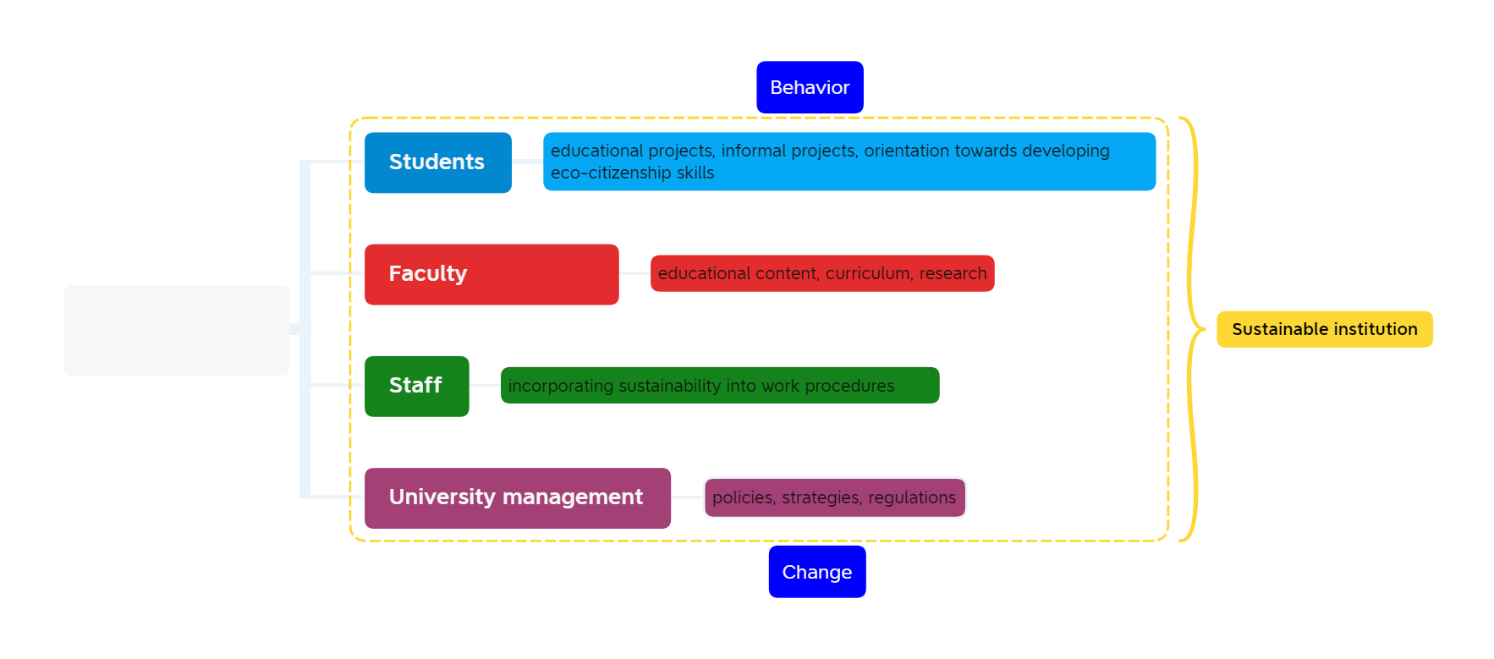
Figure 1. Model of integrated, transformative approach to achieve sustainability goals.